Africa’s Mobile Money Surge Is Redefining the Digital Economy
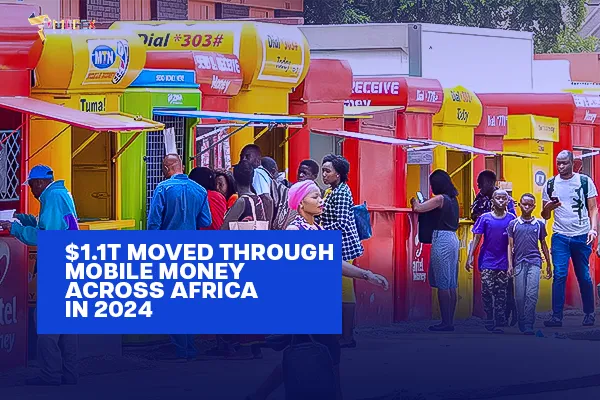
Africa processed more than 80 billion mobile money transactions in 2024, worth $1.1 trillion. The scale alone shows how mobile money has grown from a simple transfer tool into one of the continent’s most important financial systems, built around African habits, movement, and trade patterns.
It’s Become Part of Everyday Life
Mobile money now supports the rhythm of daily business: paying workers, settling bills, supporting family, running small shops, and keeping informal markets moving. For many households and entrepreneurs, it isn’t an alternative to banking, it is the system they rely on. Because it grew from local realities rather than imported financial models, mobile money feels practical, familiar, and easy to adopt. It aligns with how people already live, rather than asking them to change their behaviour to fit the tool.
Connecting Markets Across the Continent
The ability to move funds across African borders through mobile money and systems like PAPSS is creating a more connected economic space. Traders, workers, and small businesses can send and receive money without depending on external banking rails or foreign currencies. More of the value created in Africa stays circulating within African networks.
A Foundation for Digital Ownership
As the ecosystem expands, mobile money is quietly doing something bigger: it is helping Africa build financial systems that reflect its own priorities. The transaction flows, identity layers, merchant networks, and user data sit closer to home, giving countries and businesses more say in how the digital economy works around them. These ideas often surface in conversations at MOBEX Africa, where technology is viewed as a tool for strengthening local control, not just improving convenience.
A Digital Future Growing on African Terms
When a homegrown system processes $1.1 trillion in a single year, it tells a clear story. The continent is not waiting for digital transformation to be handed down, it is creating systems that match its own scale, complexity, and ambition.