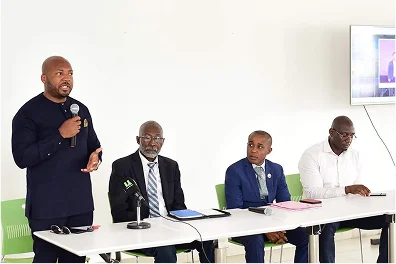
At MOBEX Africa, conversations around technology often focus on a bigger issue: how Africa defines, owns, and controls its place in the digital world. That perspective shaped much of the discussion at MOBEX Africa 2025, where the focus was on resetting Africa’s digital identity and sovereignty across emerging technologies.
It’s Become Part of Everyday Life
As artificial intelligence becomes more embedded in daily life, one challenge continues to surface within that broader conversation. Many AI systems still struggle to understand African languages, creating friction in how people interact with digital tools. When AI fails to recognise local language, everyday tasks become harder than they need to be. People end up working around technology instead of working with it. Project Gecko, developed by Microsoft, responds to this gap by training AI to understand East African languages such as Swahili, Kikuyu, Kalenjin, and Dholuo, helping digital tools feel more natural and usable in everyday contexts.
Why Language Connects to Digital Identity
Language shapes how people experience technology and whether they see themselves reflected in it. When digital systems support familiar ways of communicating, they are easier to use and more likely to be trusted. When they don’t, users are forced to adapt to tools that feel distant from their own realities. This connection between language, identity, and control is part of the wider conversation often highlighted at MOBEX Africa, including during MOBEX Africa 2025, where resetting Africa’s digital identity and sovereignty was a central focus. Technology that recognizes local context is better positioned to reflect African priorities, rather than being shaped entirely by external assumptions and models.
A Foundation for Digital Ownership
Language shapes how people experience technology and whether they see themselves reflected in it. When digital systems support familiar ways of communicating, they are easier to use and more likely to be trusted. When they don’t, users are forced to adapt to tools that feel distant from their own realities. This connection between language, identity, and control is part of the wider conversation often highlighted at MOBEX Africa, including during MOBEX Africa 2025, where resetting Africa’s digital identity and sovereignty was a central focus. Technology that recognizes local context is better positioned to reflect African priorities, rather than being shaped entirely by external assumptions and models.
A Direction for Africa’s Digital Future
Building technology around local realities reflects the direction many African innovators and platforms are now pushing toward. As AI continues to expand, efforts like Project Gecko point to an important principle: digital systems work best when they reflect the people who use them. Language inclusion supports a digital future where Africa is not just participating, but shaping how technology works, what it represents, and who it ultimately serves.