Introduction
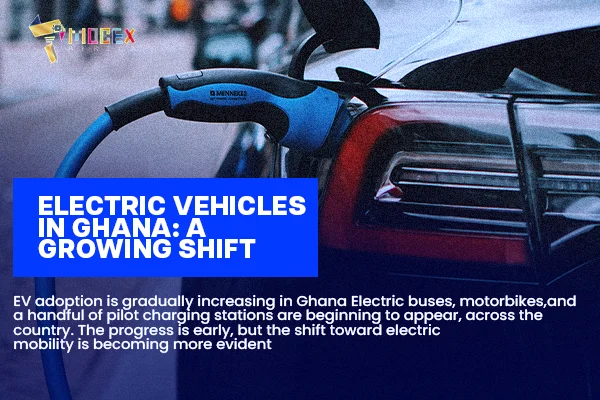
Ghana is taking its first real steps toward electric mobility and the journey reveals both promise and the work ahead. Across the country, electric buses, motorbikes, and pilot charging stations are beginning to appear. These early steps are laying groundwork for transformation, even as challenges remain.
What’s driving this shift?
Rising fuel costs, government incentives (8-year import duty waivers), and early investments from companies like Solar Taxi and Kantanka are creating momentum. More importantly, conversations about sustainable mobility are building the foundation for broader change.
The sovereignty challenge
- Ghana’s EV transition is revealing what true digital sovereignty in mobility actually requires. Energy sovereignty: EVs reduce petroleum imports, but currently run on electricity that’s 66% fossil fuel-based. The next step? Scaling solar-powered charging infrastructure.
- Manufacturing capability: Most EVs (98%) are imported from China. Local assembly exists, but moving from assembly to actual manufacturing is the sovereignty challenge.
- Data ownership: EV telematics currently flow to foreign manufacturers. Building African-owned data systems for mobility is essential for true sovereignty.
- Economic independence: Reducing oil imports is progress, but creating local EV supply chains for batteries, components and software is how Africa avoids trading one dependency for another.
This is exactly why MOBEX Africa exists:
To convene the innovators, policymakers, and investors who see beyond headlines to the deeper work required. We’re not just celebrating early adoption, we’re building the roadmap from participation to ownership of Africa’s technological future.
Conclusion
Ghana’s EV journey is instructive: Progress is happening, but sovereignty requires moving beyond imports to indigenous innovation. What does true mobility sovereignty look like in your country? What would it take to get there? Stay connected with Africa’s digital transformation journey.